Understanding Roof Flashing: The Unsung Hero of Home Protection Mar 15, 2026
Roof flashing is a flat, thin material that directs water away from critical areas of your roof, such as valleys, hips, and the intersections of different roof sections. It typically comes in materials like aluminum, copper, or galvanized steel. The main goal of roof flashing is to create a seal that prevents water from seeping into these vulnerable parts, protecting your home from leaks, mold, and structural damage.
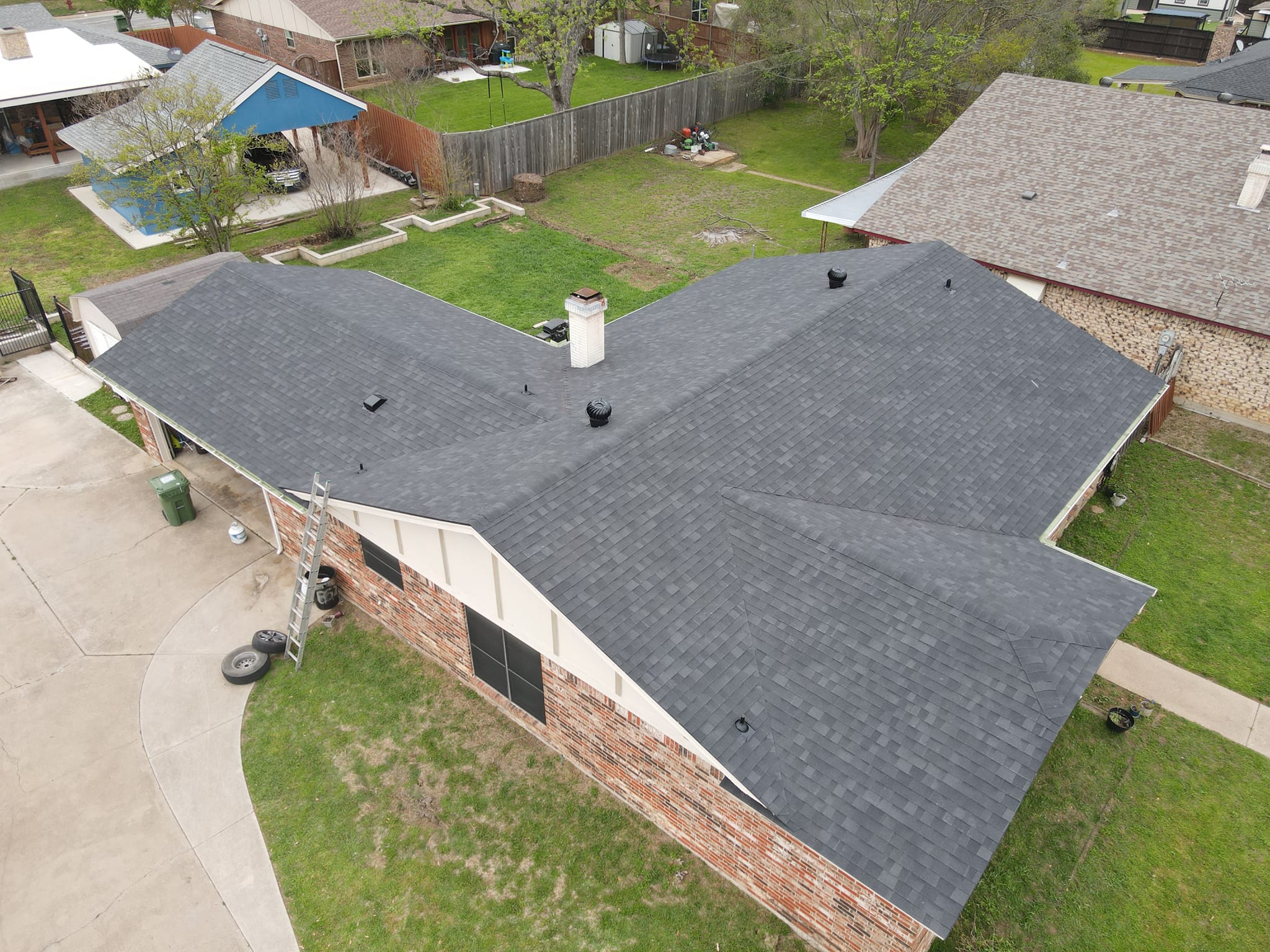
One common place where flashing is used is around chimneys. Without proper flashing, rainwater can easily enter through the seams between your roof and chimney, leading to significant water damage over time. Similarly, flashing around skylights and vents ensures that water drains properly and does not pool at these features, which could compromise your roof's integrity.
The significance of flashing extends to other areas as well. Roof valleys, where two roof faces meet, are especially susceptible to water collection. Without flashing in these zones, water can easily penetrate the roof and cause damage to the underlying structure. By directing water away efficiently, flashing helps extend the lifespan of your roof and keeps your home dry and safe.
Regular inspection and maintenance are vital to ensuring that your roof flashing remains in good condition. Over time, flashing can become damaged or corroded due to weather exposure. Signs such as rusty spots, loose bends, or lifting edges indicate that it's time for repair or replacement. An annual roof inspection by professionals like MBP Roofing & Exteriors can identify these issues early, allowing for prompt and effective repairs.
If you're considering roof repairs or a replacement, consult with roofing experts who can assess the state of your flashing and suggest appropriate solutions. Quality installation of flashing is just as critical as choosing the right materials. Properly installed flashing should fit tightly, without gaps, to maximize its protective efficacy.
For homeowners keen on doing a preliminary check before calling in the professionals, basic visual inspections are feasible. Examine easily accessible areas for any signs of wear and tear, such as gaps or lifting. However, always prioritize safety and do not attempt inspections in hazardous conditions or on steep-sloped roofs.
In conclusion, roof flashing is an indispensable component of your roofing system, acting as the first line of defense against water infiltration. By ensuring your flashing is up to par, you're taking a significant step in maintaining the structural integrity and safety of your home. Partnering with experienced professionals like MBP Roofing & Exteriors can provide you with peace of mind, knowing your roof is in capable hands. Remember, proactive maintenance today can prevent costly repairs tomorrow, making roof flashing an unsung, yet vital, hero of your home’s protection system.
/filters:no_upscale()/filters:format(webp)/media/e23067be-bef8-49ee-b8dc-fbf859bbc82e.jpg)
/filters:no_upscale()/filters:format(webp)/media/7f4bc70e-a0b7-4b8d-bef3-84b4eaa94416.jpg)